


Entrepreneurism And Personality November 6
To what extent does force of personality make or break an entrepreneur? It sounds a bit like an exam question, but it’s well worth pondering by casting the eye over the successful businessmen we’ve already profiled.
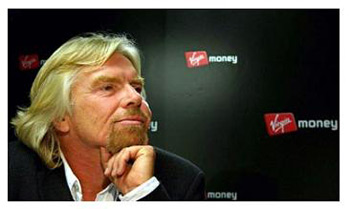
Sir Richard Branson has already been cited as an example of somebody who was ineffective academically but grew to thrive through, in part, force of personality. Never failing to exude an almost boyish charm, he thrives on spontaneity and the ability to come out with a pleasing soundbite which will make others feel good and promote a positive image of himself or his own ventures. But that’s not to suggest that he isn’t genuine - he once explained that “having a personality of caring about people is important. You can’t be a good leader unless you generally like people. That is how you bring out the best in them,”and this has been borne out in his career. He is an altruist, somebody who genuinely wants to make the world - and people - better. Profitable relationships and joint ventures are always likely to result from such an outlook, especially when married with an astute business sense.
Somebody who appears less often in the headlines is Pierre Omidyar, the founder of eBay. His media presence is relatively limited - certainly in comparison with Branson, Steve Jobs and Steve Wozniak, and Ryanair’s Michael O’Leary. But what they all seem to share, whether vocal about it or not, is an intrinsic curious streak - a “what would happen if I tried this?” aspect to their personalities. This curiosity often includes a wish to get to know people, to understand them and get the best out of them - and thus easy relationships and happy workforces (and clientele) are born. Omidyar’s eBay network provides a microcosm of society in a sense - and one which you suspect his own empathy has helped build.
Michael O’Leary perhaps provides an exception in that he is renowned for being something of a firebrand - somebody who believes passionately in his own way of doing things and will strive to get his message across even if it comes as the expense of certain relationships. As he once told the Telegraph, “If you have low fares, you have to shout your mouth off a lot more” - and such an underdog mentality has served him well; the image (even if self-perpetuated) of the outsider punching above its weight can serve an entrepreneur well. He might feel like a winner on the inside but by appearing to strike a blow for the smaller firm he can win appeal.
And perhaps that’s where these entrepreneurs share a personality trait in common - regardless of whether or not they are particularly media-friendly or keen to remain in the public eye. All shared, early on, a determination not to be beaten and a confidence that, whatever it took, the startup or smaller enterprise could grow. It might take charm, it might take bloody-mindedness, it might take both - but such confidence and curiosity can pay off.
Article Written Exclusively by AdFero for Seriously Business
Related articles
- Entrepreneurism - Nature Or Nurture?
- Branson Sells Virgin Books - And Then Announces Book Deal
- Is First Choice, the Right Choice for Richard Branson?
- Pierre Omidyar (Launched eBay) - Entrepreneur Profile
- Steve Jobs and Steve Wozniak (Founders of Apple) - Entrepreneur Profile
- Michael O'Leary (Chief Executive of Ryanair) - Entrepreneur Profile
- Richard Branson (Founder of the Virgin Brand) - Entrepreneur Profile
- Tax Man Excited over E-trading
- Virgin Media Launches!
- Young Entrepreneur Proves Teachers Wrong
- Local Businesses Encouraged By Aston Martin Takeover
- Entrepreneur's 'Greener' Clothes To Be Stocked By M&S;
- Sports Direct Founder Pockets £929m Fortune
- Apprentice Winner To Set Up 'Funky' New Business
- Vodafone and MySpace Reveal Link-Up
- Apple iPhone – Apple’s Attempt to Conquer the Mobile Phone Industry
- The Million Pound Giveaway Kicks Off on ITV
- Larry Kinch - Oil Entrepreneur Honoured
- Second Life Entrepreneurs - Cashing in on Virtual Worlds
- Peter Jones - Dragon's Den Special
- Duncan Bannatyne - Dragon's Den Special
- Deborah Meaden - Dragon's Den Special
- Are You The Next Richard Farleigh Entrepreneur?
- Theo Paphitis - Dragon's Den Special
- Simon Woodroffe - Dragon's Den Special
- Are You The Next UK Entrepreneur? - A Guide to Dragons' Dens
- Your Hired! - Alan Sugar
- Anita Roddick - Triumph Through Hard Work
- Larry Page and Sergey Brin (Founders of Google) - Entrepreneur Profile
- Entrepreneur Puts Insurance Knowledge To Good Use
- Age No Barrier For Young Businesswoman
- Liverpool Gets School For Entrepreneurs
- Businessman Opens Doors For Small Firms
- Leadership The Key For Entrepreneurs
- Businessmen Wins Welsh Entrepreneur Award
Dan Matthews Nov 7
I think the combination of courage and curiosity is a good one to describe most entrepreneurs. The ones that I have interviewed tend to fall into two categories: quietly confident and eager.
Successful entrepreneurs are confident because they have been right before - they’ve taken a risk and won, but very rarely does this confidence spill into the realm of arrogance or aggressiveness - they leave that to the investment bankers.