


Turn Your Company Profits Around - Running Your Business The Ethical Way December 1
With publicity about businesses’ alleged exploitation of workers or undesirable practices becoming more widespread than ever, it is increasingly useful for a firm to make efforts to be seen as ‘ethical’ - and to bear out its promises with positive actions.
 Consumers are increasingly savvy about environmental issues, as well as those involving the exploitation of people who produce firms’ products. Questions will inevitably be asked about how a product is produced, what from, where it came from and what the economic situations are of the people who made it. Therefore many firms, as well as ensuring that their own activities are up to the mark, are actively looking to change the way things are in the wider world.
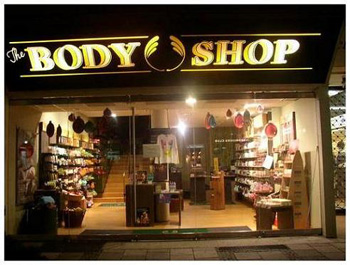
Firms are beginning to understand that the roles they play in the global community are hugely influential; customers rely on them, and man companieshave presences in a wide number of worldwide locations. Anita Roddick’s Body Shop is a good example, noting on its website that: “Businesses have an important part to play in effecting social change. Through having a social conscience and acting with social responsibility, businesses can help create lasting change in society.”
The firm’s commitment towards cutting out animal testing has been widely documented, but the above statement also translates into its commitment towards fair trading. Its community trade programme shares the firm’s expertise with much smaller enterprises, often in developing countries - providing them with tips to help develop their own sustainable success and then trusting them by placing orders with them and investing the Body Shop’s trust and money in their work.
As a result, customers receive products made all around the world - in the knowledge that they are not being produced in some kind of sweatshop or ultra-intensive factory setting. In turn this breeds a sense of rusticity, of originality, which is appealing to the consumer and attunes them yet further to the benefits of this kind of fair, ethical trading.
Another good example of this kind of firm is Cadbury - which has not been beset with some of the bad press suffered by its rival Nestle, for example. Cadbury was formed by Quakers in the 19th century and still professes to retain their essential values relating to justice, equality and social reform. It invests in its UK workers by providing excellent on-site facilities and working conditions for them in its Bournville complete near Birmingham, while on a wider scale it has been working in particular to provide cocoa farmers with fairer working conditions. It is a member of a global coalition dedicated to improving practices relating to such farms, especially those in West Africa, and has helped to form what is known as the International Cocoa Initiative - Working Towards Responsible Standards for Cocoa Growing. Additionally it operates a Fair Trade policy whereby farmer co-operatives in local communities are provided premiums for all their sold wares.
Such dedication has worked for both the Body Shop and Cadbury, which are both comfortably the leading performers in their industries. Such business models can, and should, be considered by anybody who is setting up their own business today; ethical soundness is being proven to bring in the money, but it is also plain right as well.
Article Written Exclusively by AdFero for Seriously Business